


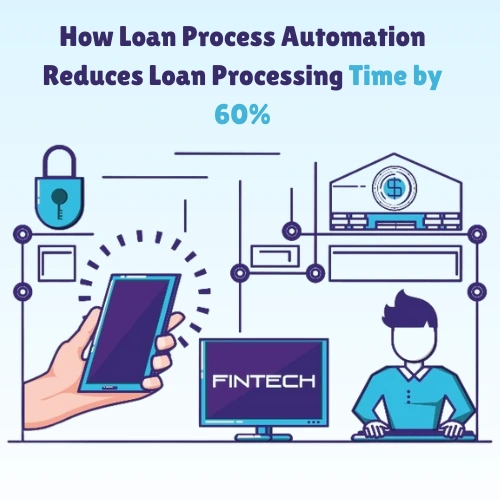
Loan Process Automation
Loan process automation has become a critical driver of growth for banks, NBFCs, and fintech companies. In a world where customers expect instant approvals and seamless digital experiences, traditional manual loan processing systems are no longer sustainable.
Manual lending workflows are slow, expensive, and prone to errors. Automation, on the other hand, streamlines every stage of the lending journey—from application and verification to approval, disbursement, and repayment. Industry studies show that loan process automation can reduce loan processing time by up to 60%, while also improving compliance, customer satisfaction, and overall fintech efficiency.
This blog explores how loan process automation works, how it compares with manual processes, and why it delivers strong ROI for modern lenders.
Manual vs Automated Loans
Understanding the difference between manual and automated loan processing highlights why automation is now essential.
Manual Loan Processing: The Traditional Approach
In manual lending systems, loan processing typically involves:
- Paper-based or semi-digital application forms
- Manual data entry across multiple systems
- Human-led KYC and document verification
- Email- and spreadsheet-based approvals
- Repetitive follow-ups between departments
Each step depends heavily on human intervention, increasing the risk of delays and errors. Even small issues—such as missing documents or incorrect data—can stall loan approvals for days or weeks.
Manual processes also struggle to scale. As loan volumes increase, operational costs rise sharply, making growth expensive and inefficient.
Automated Loan Processing: The Modern Solution
Loan process automation replaces repetitive manual tasks with intelligent digital workflows. Automated systems:
- Capture applications digitally and instantly
- Validate customer data in real time
- Automate KYC and compliance checks
- Route applications through predefined approval rules
- Trigger disbursement and repayment workflows automatically
As a result, lenders experience faster turnaround times, lower operational costs, and more consistent decision-making. According to McKinsey & Company, automation in lending operations can reduce processing time by 50–60% while significantly lowering operating costs
Automation Across the Loan Lifecycle
Loan process automation is most effective when implemented across the entire loan lifecycle rather than in isolated stages.
Digital Loan Application & Onboarding
Automation begins at the application stage. Borrowers can apply through web or mobile platforms, upload documents digitally, and receive instant acknowledgments.
For lenders, this ensures:
- Standardized data collection
- Reduced manual data entry
- Faster transition to verification
This sets the foundation for quicker approvals and improved customer experience.
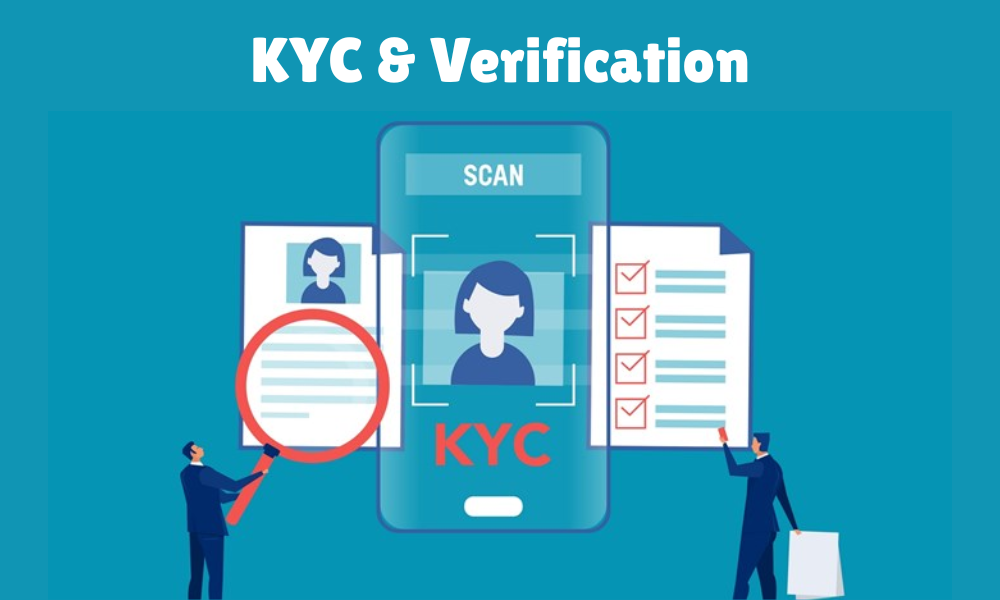
KYC & Verification
KYC & Verification
KYC and identity verification are often the most time-consuming steps in loan processing. Manual KYC involves physical document checks, branch visits, and human review, leading to significant delays.
With automated KYC systems:
- Aadhaar, PAN, and CKYC checks are completed via APIs
- OCR technology extracts data from documents automatically
- Video KYC replaces physical verification
- Fraud detection and blacklist checks run instantly
These automated processes dramatically reduce onboarding time while maintaining regulatory compliance.
The Reserve Bank of India has actively promoted digital KYC to improve efficiency and financial inclusion
Approval Workflows
Approval Workflows
Loan approval automation is one of the biggest contributors to reduced processing time.
Automated approval workflows use:
- Predefined eligibility rules
- Credit bureau integrations
- Risk scoring models
- Income and repayment capacity checks
Low-risk loan applications can be approved instantly without human intervention, while high-risk or high-value cases are automatically escalated to underwriters with complete data visibility.
Deloitte reports that automated loan approval systems reduce approval time by 40–60% while improving credit consistency
Disbursement & Post-Approval Automation
Automation continues after approval:
- Digital loan agreements are generated automatically
- E-signatures replace physical paperwork
- Disbursement is triggered instantly upon completion
- EMI schedules, reminders, and collections are automated
This end-to-end automation ensures faster disbursals and better borrower engagement throughout the loan tenure.

ROI Impact of Loan Process Automation
Beyond speed and convenience, loan process automation delivers measurable financial returns.
1. Significant Cost Reduction
By reducing manual effort, lenders save on staffing, infrastructure, and error correction. Automated workflows also lower compliance and audit costs.
2. Faster Revenue Realization
Shorter processing cycles mean loans are disbursed faster, allowing lenders to start earning interest sooner. This improves cash flow and portfolio turnover.
3. Improved Customer Experience
Today’s borrowers expect transparency and speed. Automated updates, faster approvals, and seamless onboarding lead to higher satisfaction and stronger brand trust.
4. Enhanced Risk & Compliance Control
Automation applies standardized rules across all applications, reducing bias and human error. Real-time analytics help lenders monitor portfolio performance and detect risks early.
The World Economic Forum highlights automation as a key enabler of fintech efficiency and scalable digital lending
Conclusion: Why Loan Process Automation Is the Future
Loan process automation is transforming lending from a slow, manual operation into a fast, scalable, and customer-centric system. By automating KYC, approval workflows, and lifecycle management, lenders can reduce loan processing time by up to 60%, lower costs, and improve fintech efficiency.
As digital lending continues to grow, institutions that embrace automation will gain a clear competitive advantage—while those relying on manual systems risk falling behind.
Call to Action
If you’re a bank, NBFC, or fintech company aiming to scale faster and serve customers better, now is the time to adopt loan process automation. Invest in smart lending technology today and build a future-ready loan processing system.

1 reply on “How Loan Process Automation Reduces Loan Processing Time by 60% in 20266”
[…] lending, helping companies automate loan applications, approvals, and disbursements. In fact, research shows that NBFCs using digital loan automation systems can reduce approval times by up to 60 […]